
FRAUD FRIDAYS: Phishing and Smishing
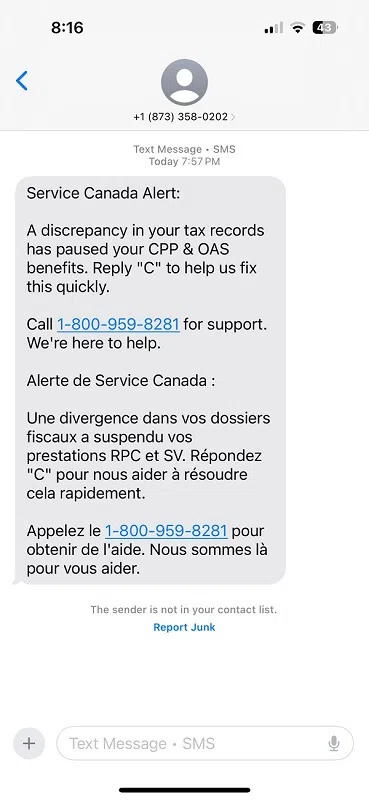
One of many phishing attempts made to lure you into providing your personal information to fraudsters. (Photo credit: Facebook)
Feb 13, 2026 | 9:54 AM
Roger White
As the number of frauds and scams continues to grow in the Nicola Valley, Merritt & Nicola Valley Crime Stoppers, and Q101 are teaming up to present Fraud Fridays, a feature designed to inform those in the community of the dangers of fraud, what they should look for, and what to do if they are a victim of fraud.
Marlene Jones, chair of the local chapter of Crime Stoppers, says that her organization is making fraud and fraud prevention a top priority in 2026, with hopes to keep the community safe from those looking to scam people out of their money and personal information.
Today’s Fraud Friday: Phishing and Smishing
What is Phishing and Smishing?
Phishing is fraudulent emails that look like they’re from trusted companies (banks, delivery
services, government agencies), while Smishing are similar scams sent via SMS/text messages.
Both aim to steal your passwords, banking info, or personal data by luring you into clicking
malicious links or opening attachments.
How They Work
• You receive a message that looks urgent: “Your account is locked,” “Package delivery failed,”
or “You’ve won a prize.”
• The message contains a link or attachment leading to a fake website or malware.
• Once you enter your details, scammers gain access to your accounts or install harmful
software.
What to Watch For:
• Messages with urgent language (“Act now!” “Immediate action required”).
• Suspicious links (misspelled domains, odd characters).
• Requests for personal or financial information.
• Poor grammar or formatting in the message.
Steps to Protect Yourself
• Don’t click links in unsolicited emails or texts.
• Verify directly: Contact the company using official channels.
• Enable multi-factor authentication on accounts.
• Keep devices updated with the latest security patches.
• Use spam filters and block suspicious numbers.
What to Do If Targeted
• Stop interacting immediately—don’t reply or click further.
• Change your passwords right away
• Notify your bank/credit card provider if financial info was shared.
• Report the scam to your local police if you have lost money.
• Run antivirus scans to check for malware.
Remember that if a message feels urgent, suspicious, or too good to be true—pause before you click.
The Merritt & Nicola Valley Crime Stoppers are also looking for volunteers this year to help out with local events. If you can spare just a few hours a month or would like to become more active within the organization by reaching out to Crime Stoppers via their website at www.nicolavalleycrimestoppers.com.

Comments